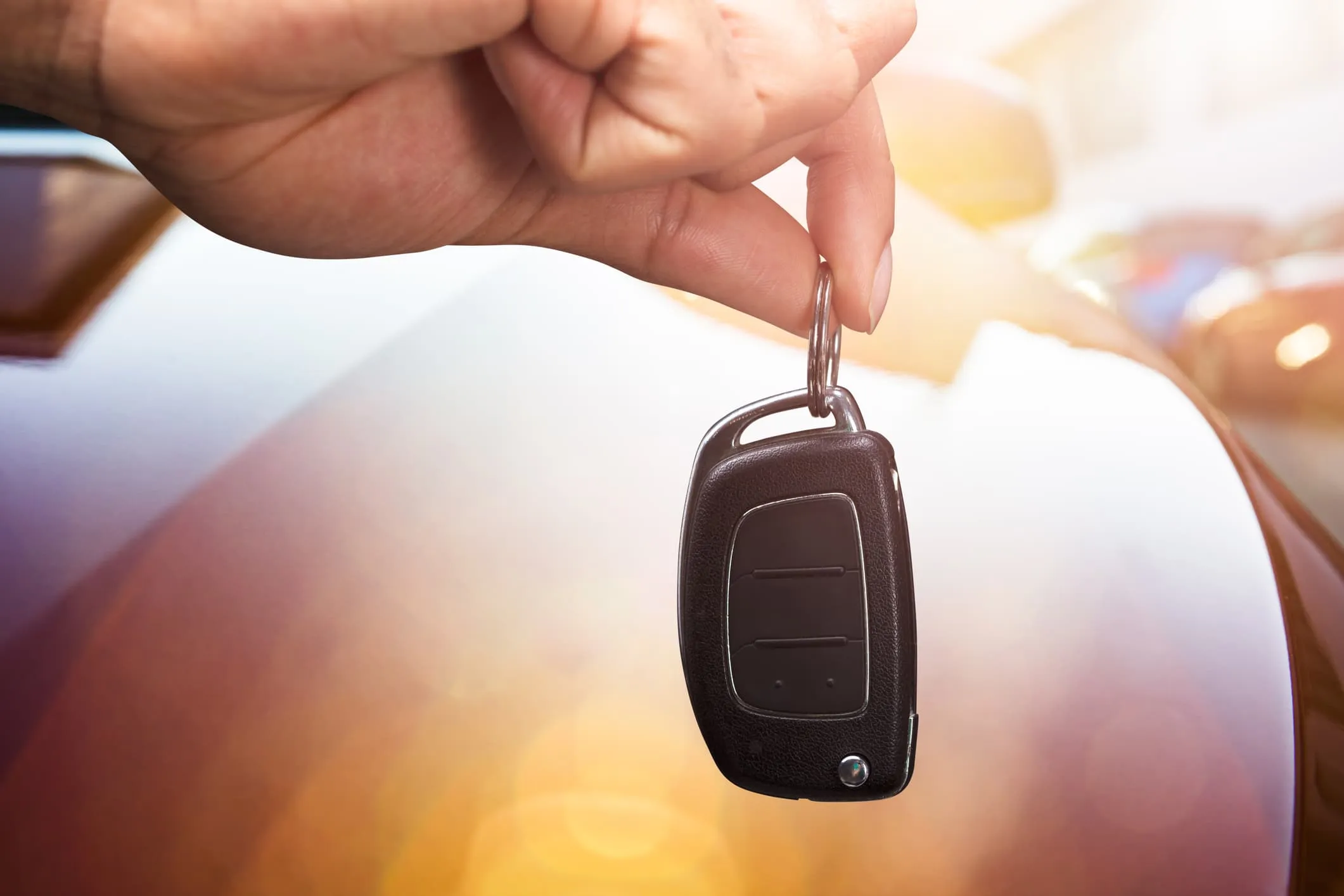
Have you ever wondered what happens to your car after you hand your keys to a valet? The answer is far more structured and professional than most people imagine. At All About Parking, every shift follows carefully designed protocols that prioritize vehicle safety, efficiency, and exceptional guest experience. But what does a professional valet's day actually look like? From the moment the first vehicle arrives until the parking lot is secured for the night, it's a carefully choreographed blend of physical skill, customer service excellence, and operational precision.
A Brief History of Valet Service
The term "valet" dates back to the late 1500s, originally describing a personal servant. Over centuries, the role evolved alongside transportation - from horse-drawn carriages to the modern automobile. Today's valet parking attendant is a trained professional who combines customer service excellence with precise vehicle handling skills. Modern valet operations have transformed into a highly structured industry where technology, training, and attention to detail define success.
Pre-Shift: Preparation and Setup (6:00 AM – 7:00 AM)
A typical day begins well before the first guest arrives. Valets arrive early to set up the staging area: positioning signage, preparing key management systems, and reviewing the day's event or operational details. The team lead briefs attendants on expected volume, VIP arrivals, special instructions, and any site-specific considerations.
Every valet inspects their uniform, ensures they have necessary equipment (including portable radios, claim tickets, and inspection clipboards), and reviews the parking plan - which designated areas to use, traffic flow patterns, and capacity limits. For corporate campus locations, the team reviews employee count expectations and any special parking requests. For restaurant or event venues, attendants prepare for peak arrival windows and coordinate timing with venue staff.
This preparation isn't hurried. A well-briefed team operates more smoothly, reduces errors, and delivers consistently better guest experiences throughout the shift.
The Arrival Rush (7:00 AM – 9:00 AM for Corporate; 5:00 PM – 6:30 PM for Events)
When guests begin arriving, precision and speed become critical. Each vehicle interaction follows a consistent process: greet the guest professionally, conduct a quick visual inspection of the vehicle (noting any existing damage, fuel level, or special features), issue a numbered claim ticket, and carefully drive the vehicle to its designated parking area.
Professional valets are trained to handle every vehicle type - from compact sedans to high-performance sports cars to oversized SUVs. Each requires different handling awareness: sports cars need careful acceleration to avoid spinning wheels, oversized trucks require awareness of overhang when navigating tight spaces, luxury vehicles demand extra attention to preservation of their sensitive climate and seat settings. Experienced attendants adapt seamlessly between vehicle types, often handling 50 to 100 vehicles during peak rush periods.
The arrival rush is the most physically demanding part of the shift. Attendants are constantly moving, making split-second decisions about vehicle placement, managing traffic flow, and maintaining composure under pressure while delivering warm, professional greetings to every guest.
Mid-Shift: Monitoring and Management (9:00 AM – 4:00 PM)
Between arrivals and retrievals, valets monitor the parking area, manage capacity, and maintain organized vehicle placement. This isn't downtime - it's active management. Attendants reposition vehicles to optimize space, address any issues that arise, and remain constantly ready for retrieval requests. In a restaurant setting, this might involve managing a 90-minute table rotation. In a corporate campus, it means staying prepared for intermittent departures throughout the day.
Communication between team members is constant. Radio coordination ensures that retrieval requests are handled promptly, with target return times that minimize guest wait times - typically under 5 minutes from request to vehicle arrival. Attendants also monitor weather conditions, noting if vehicles need to be repositioned for shade or if rain is approaching.
The mental demands during mid-shift are significant. Valets must maintain an accurate mental map of where hundreds of vehicles are parked, anticipate which spaces will be needed next, and stay alert for any operational issues.
Different Environments, Different Dynamics
The valet experience varies dramatically depending on location. At a corporate campus, attendants work extended shifts managing steady morning and evening rushes with moderate midday activity. The environment is predictable and routine, allowing for systematic processes and relationship-building with regular employees.
At a restaurant or hotel, valets face unpredictable, compressed arrival windows. A wedding reception might bring 200 vehicles in 45 minutes. The pace is intense, the energy high, and success depends on team coordination and rapid decision-making. Event valets develop intense focus and can't afford a single mistake when managing high-volume arrivals.
Healthcare facilities present unique challenges: attendants must understand patient mobility issues, accommodate accessible parking, and maintain absolute professionalism in an environment where stress levels are already elevated.
The Retrieval Process (Variable)
When a guest is ready to leave, the retrieval process begins. The claim ticket is matched, the vehicle is located, and an attendant brings it to the staging area. Before returning the vehicle, the attendant ensures it's in the same condition as when received - climate controls reset, mirrors and seat position returned to neutral, interior inspected for any issues.
During busy periods, multiple retrieval requests might be active simultaneously. Attendants must juggle location of vehicles, coordinate with team members, and sequence retrieval to minimize wait times. For high-value vehicles or VIP guests, retrieval gets priority attention. The goal is always to have a guest's vehicle ready within minutes of their request.
The final interaction is just as important as the first. A professional farewell, a genuine thank-you, and a smooth handoff leave a lasting positive impression that defines how a guest remembers their entire visit.
Physical and Mental Demands
A valet's role is genuinely demanding. The physical requirements include:
- Operating multiple vehicle types safely
- Walking or running between the staging area and parking zones (often 1,000+ steps per shift)
- Managing manual key boxes, claim tickets, and equipment
- Maintaining alert posture for 8+ hour shifts
- Working in all weather conditions
The mental demands are equally significant:
- Maintaining a positive demeanor with every guest interaction
- Remembering vehicle locations across hundreds of parked cars
- Managing high-pressure situations during peak arrivals
- Staying alert for safety hazards
- Adapting to unexpected situations (equipment issues, difficult guests, traffic problems)
Top valets develop an almost sixth sense for where vehicles are located and can retrieve a car from a crowded lot faster than a guest could find it themselves.
Rewarding Moments
Despite the physical demands, valets frequently cite the human interaction as the most rewarding aspect of their work. Building relationships with regular corporate clients, receiving genuine thank-yous from guests after perfect service, being trusted with someone's most valuable possession - these moments matter.
Valets often become unofficial ambassadors for their venues. Guests remember the valet who remembered their car preferences, the attendant who helped an elderly visitor with directions, or the team that kept a vehicle pristine in a rainstorm. These touchpoints create lasting impressions.
Typical Earnings and Team Structure
Valet compensation typically includes an hourly wage plus tip income, which can range from 30% to 50% of total earnings depending on location and clientele. Event valets at upscale venues often earn $20 to $30 per hour in base pay plus tips. Corporate campus valets earn slightly less in base pay but enjoy more consistent hours. Experienced, reliable valets can earn $40,000 to $60,000 annually when combining base pay, tips, and benefits.
Most valet operations employ a team structure with valets, a team lead or supervisor, and potentially a shift manager. The team lead coordinates the shift, assigns parking areas, prioritizes retrievals, and handles any guest or operational issues. This hierarchy ensures consistent service quality and provides clear reporting for any situations that arise.
Post-Shift: Wrap-Up and Documentation
After the last vehicle is returned, the team breaks down the staging area, accounts for all keys and tickets, and completes shift documentation. Any incidents, guest feedback, or operational notes are recorded for continuous improvement. Key counts must match ticket counts exactly - this is non-negotiable for security and accountability.
A valet's day is physically demanding, mentally engaging, and deeply rewarding. It's far more than parking cars - it's delivering a seamless experience from the moment a guest arrives to the moment they drive away. For those with the right temperament, attention to detail, and customer service mindset, it's a career that offers genuine satisfaction and genuine financial opportunity.
Looking to join a professional valet team or improve your parking operations? All About Parking is always seeking dedicated valet professionals. Explore our valet parking services to learn how professional parking management transforms your property, or discover how event valet parking can elevate your next special occasion.